A Personal Note from Eoin Carey
Dear Friend,
Thank you for taking the time to learn more about residential solar. The decision to go solar is exciting, but it also deserves thoughtful research. Our goal with this guide is simple: help you choose the right partner and install a solar system that truly saves you money.
Solar energy is a proven, reliable investment. As you read, we hope you'll gain the clarity and confidence you need to move forward.
Warm regards,
Solar 101: The Basics
Understanding the fundamental concepts of solar energy and how it can benefit you.
Solar Photovoltaic (PV) systems convert sunlight directly into electricity. This clean, renewable energy source can power your home, reduce your carbon footprint, and significantly lower your electricity bills.
Key components include solar panels (modules), an inverter to convert DC power to AC power for your home, racking to mount the panels, and often a monitoring system to track energy production.
The amount of energy your system produces depends on factors like your location's sunlight, panel orientation and tilt, system size, and any shading.
How Solar Energy Works
A simple step-by-step guide to how sunlight is transformed into usable electricity for your home.
Sunlight Hits Panels
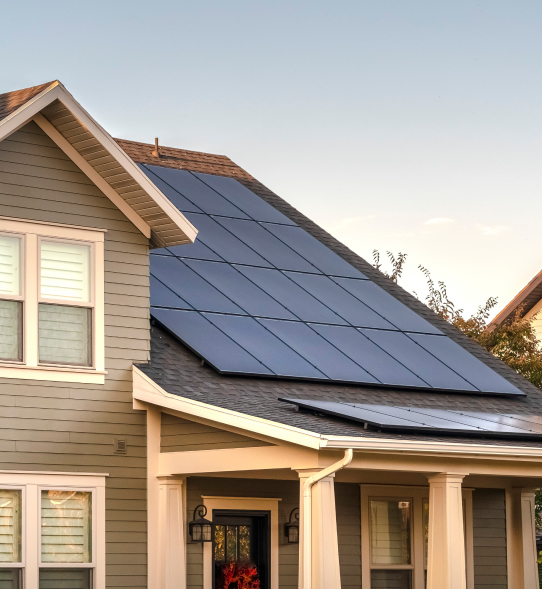
Photovoltaic (PV) cells in solar panels absorb sunlight, exciting electrons and generating Direct Current (DC) electricity.
Inverter Converts Power
The DC electricity flows to an inverter, which converts it into Alternating Current (AC) electricity, the type used by your home.
Electricity Powers Home
The AC electricity is sent to your electrical panel and distributed throughout your home to power appliances and devices.
Excess to Grid (Net Metering)
If your system produces more electricity than you need, the excess can be sent back to the utility grid, often for credit on your bill.
Core Solar System Components
Understanding the essential parts that make up a residential solar energy system.
PV Modules (Panels)
Capture sunlight and produce DC power. Typically warrantied for 25 years with <0.5% annual degradation.
Inverter
Converts DC to usable AC power. Options include string, micro-, or hybrid/string+optimizers—each with trade-offs in cost, efficiency, and shading tolerance.
Racking & Flashing
Secures panels to roof or ground mount and keeps penetrations watertight.
Monitoring Gateway/App
Tracks real-time production so you can verify performance and spot issues quickly.
(Optional) Battery Storage
Stores excess energy for nighttime use or backup during outages; may qualify for its own tax credit.
Sizing Your Solar System
Key considerations for determining the right solar system size for your home's energy needs.
Steps to Proper Sizing:
- 1
Analyze your last 12 months of electricity (kWh) usage from utility bills.
- 2
Determine your location's average daily peak sun hours.
- 3
Calculate required system capacity (kW) based on usage and sun hours.
- 4
Factor in panel efficiency, orientation, tilt, and potential shading.
- 5
Consider future energy needs (e.g., EV charging, electric appliances).
Roof-Mounted vs. Ground-Mounted
Roof Mount
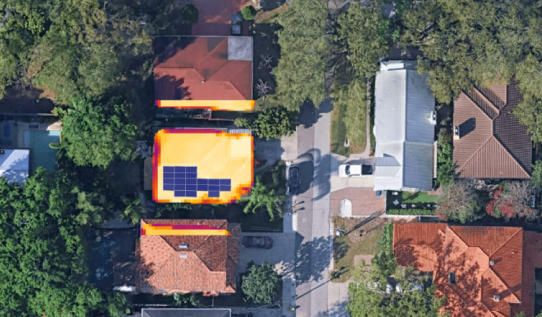
Most common, utilizes existing roof structure, typically lower cost. Best for homes with ample, unshaded roof space in good condition.
Ground Mount
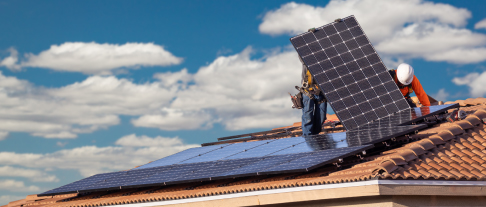
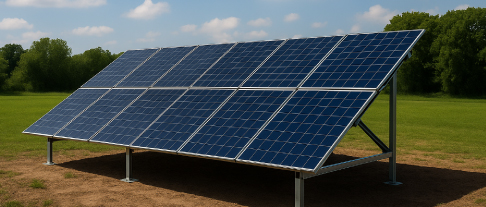
Offers optimal tilt and orientation, easier maintenance. Ideal for properties with sufficient land, or if the roof is unsuitable. Higher initial cost due to racking/foundation.
Battery Storage
- ✓Grid outage backup
- ✓Store excess solar for night use
- ✓Optimize time-of-use rates
Warranties & Lifespan
- ✓Panels: 25-30 years performance
- ✓Inverter: 10-25 years
- ✓Workmanship: Varies by installer
Maintenance
- ✓Minimal: Occasional cleaning
- ✓Monitor production via app
- ✓Annual visual inspection
Understanding Solar Sales Commissions
Why prices can vary significantly and how to ensure you're getting a fair deal on your solar investment.
The Industry Standard
Typical commissions can range from $4,000 to $15,000+ per residential sale, often built into the system price.
Some sales models involve high "redline" prices, where representatives may only offer discounts if pressed, impacting your final cost.
Our Transparent Approach
We believe in clear, upfront pricing. Our instant online calculator provides a detailed breakdown with no hidden fees.
No pressure, no surprises—just honest pricing to help you make an informed decision.
See the Difference Yourself
Our transparent pricing calculator shows you exactly what you'll pay, with no hidden fees or surprise markups.
Try Our Solar CalculatorIs Solar Always the Right Choice?
Key factors to consider before making your decision.
Local Electricity Rates
If power costs are high—and trending higher—solar savings rise accordingly.
Sunlight Availability
Northern states and heavily shaded lots may limit production. A shade analysis is essential.
Roof Condition & Age
Old roof? Bundling replacement with solar can be cost-effective and both may qualify for tax credits.
Solar Advertising: What to Watch Out For
Navigating the claims and offers in solar marketing to make an informed decision.
The "Free Solar" Myth
Ads promising "Free Solar Panels" or "Government Giveaways" are often misleading. While incentives like the Federal Tax Credit exist, solar systems are not free. These ads are typically from lead-generation agencies, not installers.
- Your contact details may be sold, leading to spam.
- Offers often mask the true cost or promote leases/PPAs with escalators.
How to Protect Yourself
- Verify the company behind the ad—look for a real business website and reviews.
- Be wary of generic "solar quote" sites that don't disclose the installer.
- Understand that the 30% Federal Tax Credit applies to owed taxes and requires system ownership.
Key Financial Considerations
Federal & State Incentives
Own your new PV system, install at US residence, use certified equipment. Check DSIREusa.org for local incentives.
Net Metering Policies
Utilities offer varying buy-back rates for excess power. Confirm your local utility's policy.
Installation Timeline
Typically 2-6 months: site survey, design, permitting, installation, inspections. Clear communication is key.
Leasing vs. Owning
Leases/PPAs mean no ownership, potential escalators, and transfer issues. Owning maximizes savings & home value.
Solar Costs & Long-Term Savings
Understanding the financial investment and the significant returns of going solar.
Initial Investment
The cost of a solar system varies by size, equipment quality, and installation complexity. A typical residential system (5-10kW) can range from $15,000 to $25,000 before incentives.
Financing options are available to make solar accessible with little to no upfront cost.
Financial Incentives
- ✓Federal ITC: 30% tax credit on system cost.
- ✓State & Local Rebates: Vary by location (check DSIREusa.org).
- ✓Net Metering: Credits for excess energy sent to the grid.
Unlock Decades of Savings
Most homeowners recoup their solar investment in 7-10 years and enjoy 15-20+ years of significantly reduced or eliminated electricity bills. Lifetime savings can range from $10,000 to $30,000+.
Calculate Your SavingsFinancing Your Solar System
Explore various options to fund your solar installation and make it affordable.
Cash Purchase
Typical Term: N/A
Pros:
Highest lifetime savings, no interest, maximizes ROI.
Cons:
Higher upfront cost.
Solar Loan
Typical Term: 7–20 yrs
Pros:
$0 down options, own the system & incentives.
Cons:
Monthly payments; compare interest rates & fees.
HELOC / Re-fi
Typical Term: Varies
Pros:
May offer lower rates; interest may be tax-deductible.
Cons:
Secured by your home; potential closing costs.
Lease / PPA
Typical Term: 20–25 yrs
Pros:
Low or no upfront cost for system use.
Cons:
No ownership, no incentives, escalator clauses can erase savings.
Ready to Go Solar?
Take the first step towards energy independence and savings. Get your free, no-obligation solar design and quote today.
Start Your Solar Design